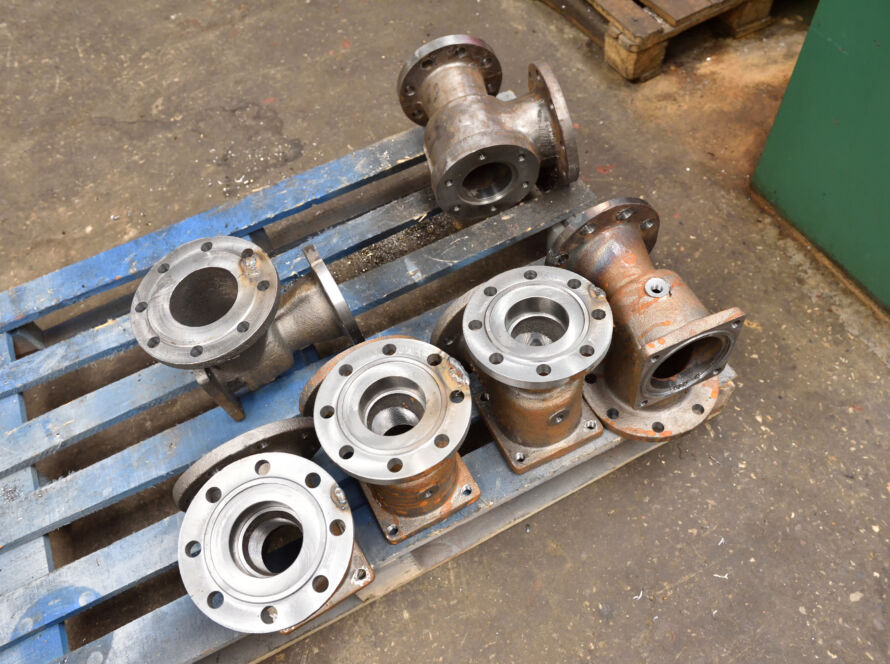
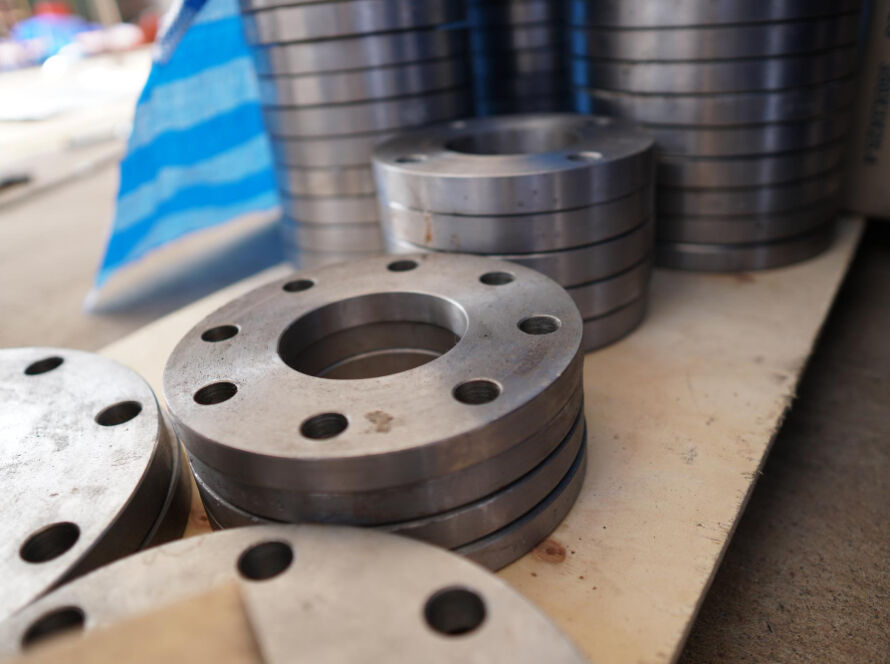
Flanges come in various shapes and sizes, each suited for different applications and environments. Choosing the correct flange is vital to ensuring a secure and leak-proof connection in your industrial system. At Hilton Metal Industries, we offer a wide range of flange types designed to meet the diverse needs of our clients.
Common Types of Flanges
- Weld Neck Flanges (WN)
- Description: Weld neck flanges are one of the most common types of flanges, particularly for high-pressure systems. They have a long tapered neck that helps distribute stress evenly, reducing the chances of failure.
- Applications: Weld neck flanges are typically used in critical applications such as oil and gas pipelines, power plants, and chemical processing systems.
- Benefits: Excellent for high-pressure and high-temperature environments. Their design makes them ideal for welded connections, reducing the risk of leaks.
- Slip-On Flanges (SO)
- Description: These flanges slip over the pipe and are then welded both inside and outside for a secure fit. They are cost-effective and easy to install.
- Applications: Slip-on flanges are often used in low-pressure systems, where ease of installation and cost-effectiveness are important.
- Benefits: Easy to install, making them ideal for systems where time and cost are crucial factors.
- Blind Flanges (BL)
- Description: Blind flanges are used to close the end of a pipe or vessel, preventing the flow of fluids or gases.
- Applications: Blind flanges are commonly used in maintenance or where future access to the pipeline may be required.
- Benefits: Used to seal off the pipeline, providing a secure and leak-free closure.
- Threaded Flanges
- Description: Threaded flanges have internal threads that allow them to be screwed onto the pipe, making them easy to install without welding.
- Applications: Suitable for smaller pipes and systems that need to be assembled without welding.
- Benefits: Easy installation and ideal for systems with frequent disassembly needs.
- Socket Weld Flanges (SW)
- Description: These flanges have a socket-like feature that allows the pipe to fit inside the flange before welding. This type is used for smaller pipe sizes, where a strong, leak-proof seal is necessary.
- Applications: Often used in high-pressure systems such as steam and chemical pipelines.
- Benefits: Offers a strong connection and is ideal for smaller pipe systems that require precision.
Choosing the Right Flange for Your Application
Selecting the correct flange type depends on several factors, including:
- Pressure and Temperature: Different flanges are designed to handle varying pressure and temperature ranges.
- Material Compatibility: Some materials, such as stainless steel or alloy steels, may be more suitable for specific applications.
- Installation Environment: Factors like ease of installation, maintenance needs, and system longevity all influence flange selection.
At Hilton Metal Industries, we work closely with clients to help them choose the right flange for their application, ensuring safety, reliability, and cost-effectiveness